Top 15 Unforgettable Experiences in Baja California’s Sea of Cortez
Baja California’s Sea of Cortez, also known as the Gulf of California, is a mesmerizing destination offering a bounty of natural wonders and thrilling adventures. This unique body of water, flanked by the Baja Peninsula and the Mexican mainland, is a UNESCO World Heritage Site renowned for its rich marine biodiversity and stunning landscapes.
Whether you’re a nature enthusiast, an adrenaline junkie, or simply seeking tranquility, the Sea of Cortez has something for everyone. In this article, we’ll explore the top 15 things to do when visiting this coastal paradise.
1. Snorkeling and Scuba Diving
Diving into the azure waters of the Sea of Cortez is a must for any visitor. Beneath the surface lies an underwater wonderland, teeming with vibrant coral reefs, an array of colorful fish species, and the opportunity to encounter majestic marine mammals such as sea lions and dolphins. Famous dive spots like Cabo Pulmo Marine Park and Loreto Bay National Park offer crystal-clear visibility, making them ideal for both experienced divers and beginners.
2. Whale Watching
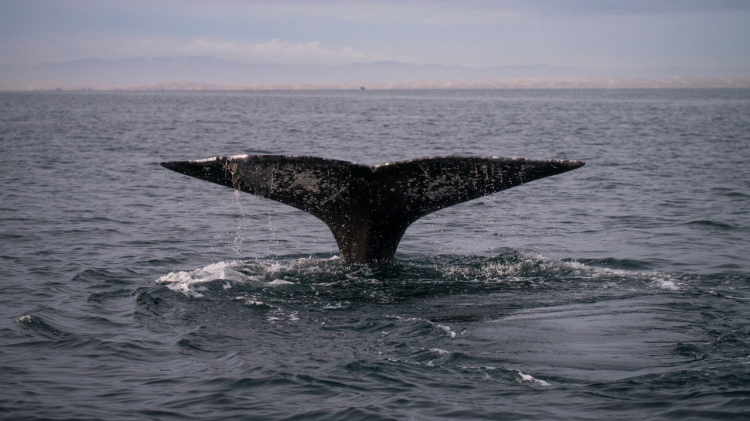
The Sea of Cortez is a haven for an extraordinary array of marine mammals, and it’s one of the best places on the planet for whale watching. From December to April, visitors have the chance to witness the impressive migration of majestic humpback whales and even the rare and endangered blue whales. Boat tours and excursions led by knowledgeable guides ensure a respectful and unforgettable experience with these gentle giants.
3. Kayaking and Stand-Up Paddleboarding
Exploring the Sea of Cortez by kayak or stand-up paddleboard is a serene and intimate way to connect with nature. Glide through secluded coves, admire breathtaking rock formations, and encounter playful sea lions curiously swimming nearby. Many coastal towns and resorts offer kayak and paddleboard rentals, giving you the freedom to explore at your own pace.
4. Island Hopping
The Sea of Cortez is dotted with numerous picturesque islands, each with its own distinct charm and wildlife. Isla Espiritu Santo, a UNESCO Biosphere Reserve, is particularly noteworthy for its pristine beaches, turquoise bays, and thriving marine life. Take a boat tour to explore these enchanting islands, hike scenic trails, and unwind in the unspoiled beauty of this remote paradise.
5. Sportfishing
Baja California’s Sea of Cortez is hailed as one of the best sportfishing destinations in the world. With its abundant marine life, the sea offers fantastic opportunities to reel in trophy fish, including dorado, marlin, tuna, and roosterfish. Charter a fishing boat with experienced local guides and enjoy a thrilling day on the water, with breathtaking views of the surrounding landscapes.
6. Sunset Cruises
Witnessing the sun dip below the horizon while cruising on the tranquil waters of the Sea of Cortez is a mesmerizing experience. Sunset cruises are popular among visitors looking to savor the beauty of the coastline, capturing the kaleidoscope of colors painted across the sky. Many cruises also include delightful dinner options, making it an unforgettable evening.
7. Desert Adventures
Beyond the shimmering waters, the arid landscapes of Baja California offer unique desert experiences. Embark on an ATV or off-road adventure to explore the rugged terrains and encounter the diverse flora and fauna that thrive in this desert environment. Visiting the Valle de los Cirios Reserve is a must for witnessing the towering cardon cacti, some reaching heights of up to 60 feet.
8. Birdwatching
The Sea of Cortez is a haven for avian enthusiasts, boasting an astonishing diversity of bird species. Pelicans, frigate birds, blue-footed boobies, and red-billed tropicbirds are just a few of the captivating species that call the area home. Birdwatching tours are readily available, allowing visitors to spot these feathered wonders in their natural habitats.
9. Relax on Pristine Beaches
With over 2,000 miles of coastline, the Sea of Cortez offers an abundance of stunning beaches to relax and unwind. From the secluded shores of Bahia Concepcion to the vibrant beaches of Los Cabos, there’s a stretch of sand to suit every preference. Bask in the sun, swim in the warm waters, and relish in the peacefulness of these unspoiled paradises.
10. Explore Baja’s Coastal Towns
Immerse yourself in the vibrant culture and warm hospitality of Baja’s coastal towns. La Paz, Loreto, and Cabo San Lucas are just a few of the charming communities along the Sea of Cortez. Stroll through colorful streets, indulge in fresh seafood, and browse local markets for unique souvenirs and crafts.
11. Snorkeling with Whale Sharks
One of the most thrilling experiences the Sea of Cortez offers is snorkeling with whale sharks. These gentle giants, the largest fish in the world, gather in the area between October and April. Swimming alongside these magnificent creatures in their natural habitat is a humbling and awe-inspiring encounter you’ll cherish forever.
12. Visit Espiritu Santo Island’s Sea Lion Colony
Espiritu Santo Island is home to a lively sea lion colony, and a visit here promises playful encounters with these adorable marine mammals. Embark on guided tours to observe sea lion pups learning to swim and play in the shallow waters, providing endless entertainment and heartwarming moments.
13. Scenic Sunset Beach Horseback Ride
Explore the stunning coastline of the Sea of Cortez on a horseback ride during sunset. Feel the gentle sea breeze as you ride along the shorelines of secluded beaches, creating a surreal experience that’s both romantic and captivating. This unforgettable journey offers picturesque vistas and a unique way to connect with nature.
14. Submarine Expedition
For an extraordinary and exclusive adventure, consider a submarine expedition in the Sea of Cortez. Dive deep into the ocean and witness the magical marine life from the comfort of a state-of-the-art submersible. Observe the colorful coral reefs, schools of fish, and perhaps even catch a glimpse of elusive deep-sea creatures.
15. Visit Cabo Pulmo Marine Park
Cabo Pulmo Marine Park, a UNESCO World Heritage Site, is a remarkable spot for eco-adventures. Snorkel or dive among the thriving coral reefs, which are home to a wide range of marine species, and delight in the beauty of the park’s protected environment. The clear waters and diverse marine life make it a must-visit destination for sea enthusiasts.
A journey to Baja California’s Sea of Cortez is an unforgettable experience filled with natural wonders and exciting adventures. From exploring underwater realms and engaging with majestic marine mammals to discovering the unique charm of coastal towns, this hidden gem in Mexico offers an array of activities for every traveler.
Immerse yourself in the magic of the Sea of Cortez and create memories that will last a lifetime. Plan your visit today and be prepared to be amazed by this coastal paradise.
Amazing video of a woman wakeboarding with the dolphins in the Sea of Cortez.